

Resurrecting Critical Diving Gear: A PEBA 3D Printing Case Study with PADI Five-Star Zero Altitude
Project Background
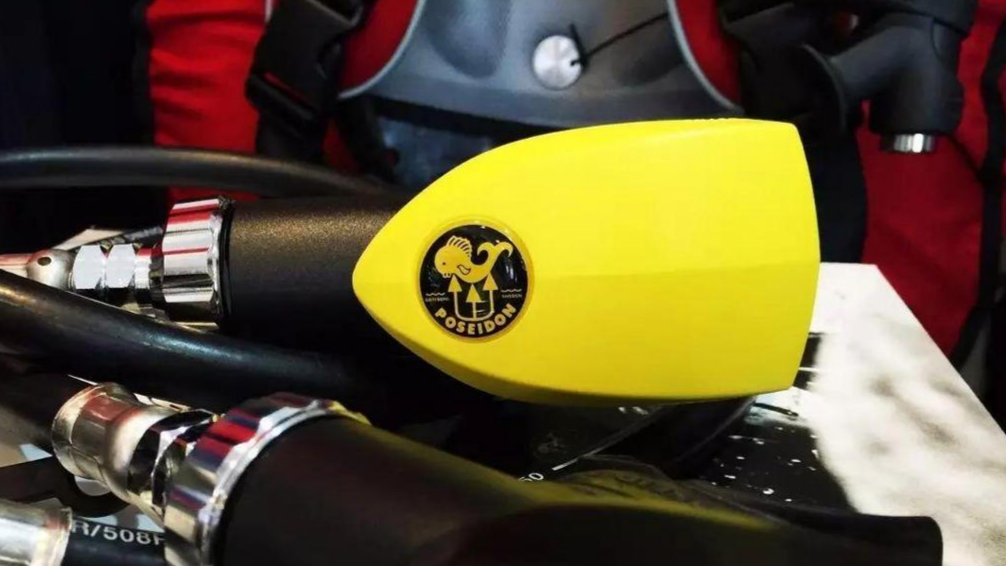
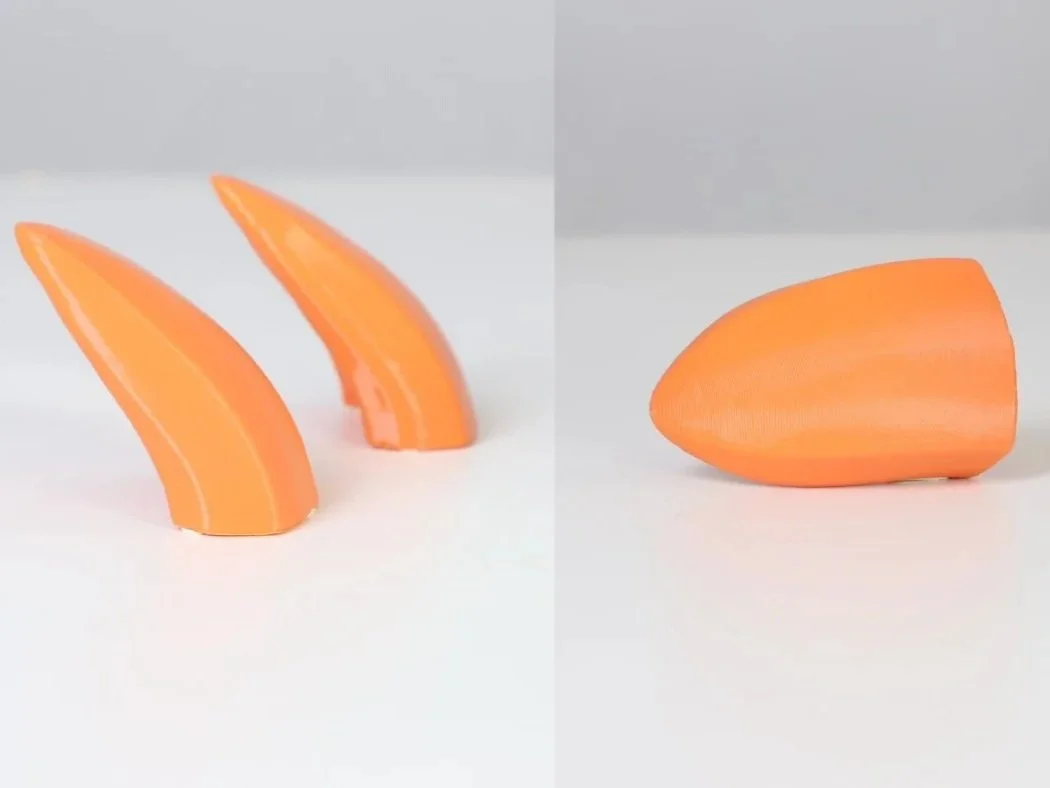
During a routine dive at Fuxian Lake, a PADI instructor from the Zero Altitude Diving Center faced a critical equipment failure: the loss of a second-stage regulator housing.
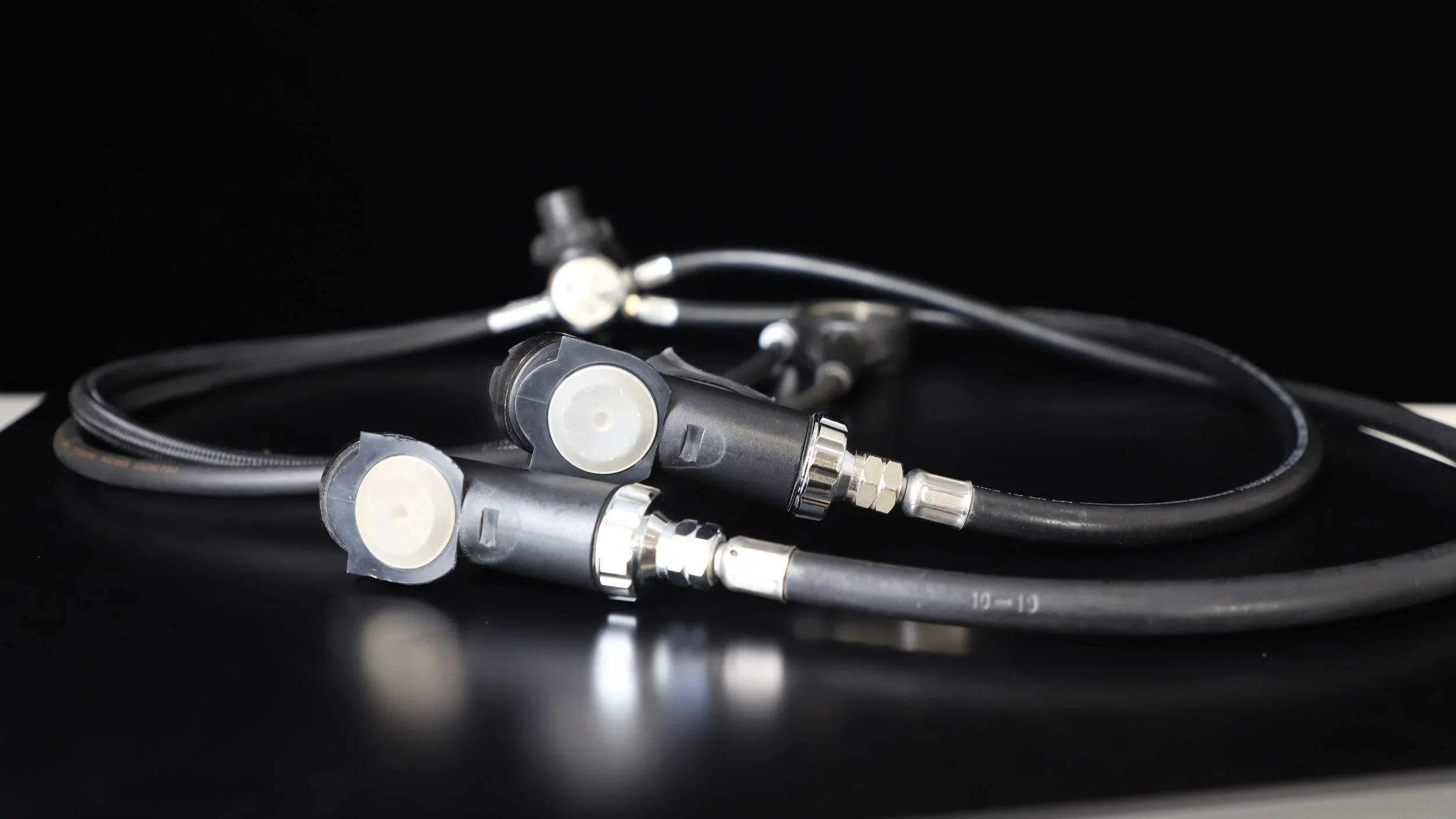
This housing is more than just a cover; it protects the internal diaphragm and structural integrity of the breathing system. Crucially, its integrated flow-deflection grooves redirect exhaled bubbles away from the diver's face—a vital feature for maintaining visibility, comfort, and underwater safety. With replacement parts unavailable through official global supply channels, the diving center faced a complete dead-end for repair.
About Zero Altitude Diving Center
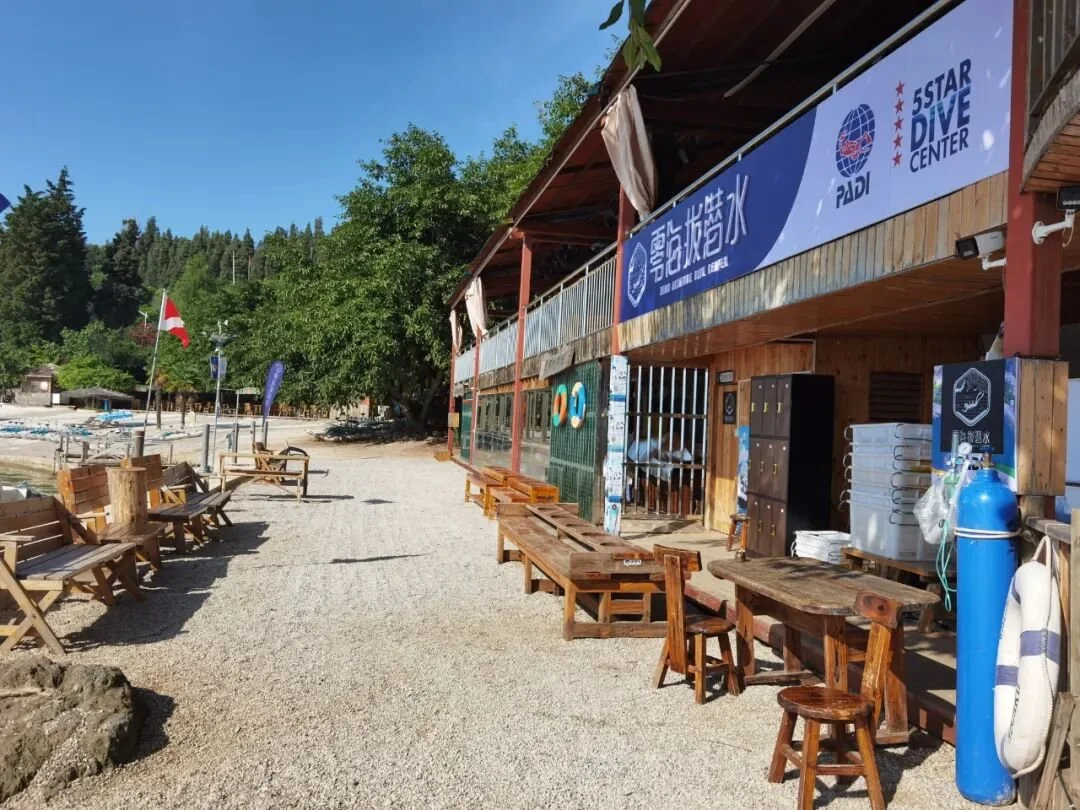
Zero Altitude is a PADI Five-Star Instructor Development Center and the premier open-water training facility at Fuxian Lake, Yunnan.
Legacy: The first NAUI-certified center in Southwest China (2010).
Expertise: Provides training ranging from Discover Scuba to Instructor levels, including advanced specialties like Sidemount, CCR (Closed-Circuit Rebreather), and technical diving.
The Challenge: Beyond Standard Materials
The diving center initially attempted to 3D print the component using flexible photopolymer resins, but the results failed under operational stress:
Material Limitations: Traditional resins lacked the tear resistance and toughness required for high-pressure environments.
Environmental Degradation: Intense UV exposure at the water surface caused rapid aging and cracking.
Lack of Customization: Standard parts could not be adjusted for specific facial profiles or the "Long Hose vs. Short Hose" visual coding common in professional diving.
The Solution: PEBA (Polyether Block Amide)
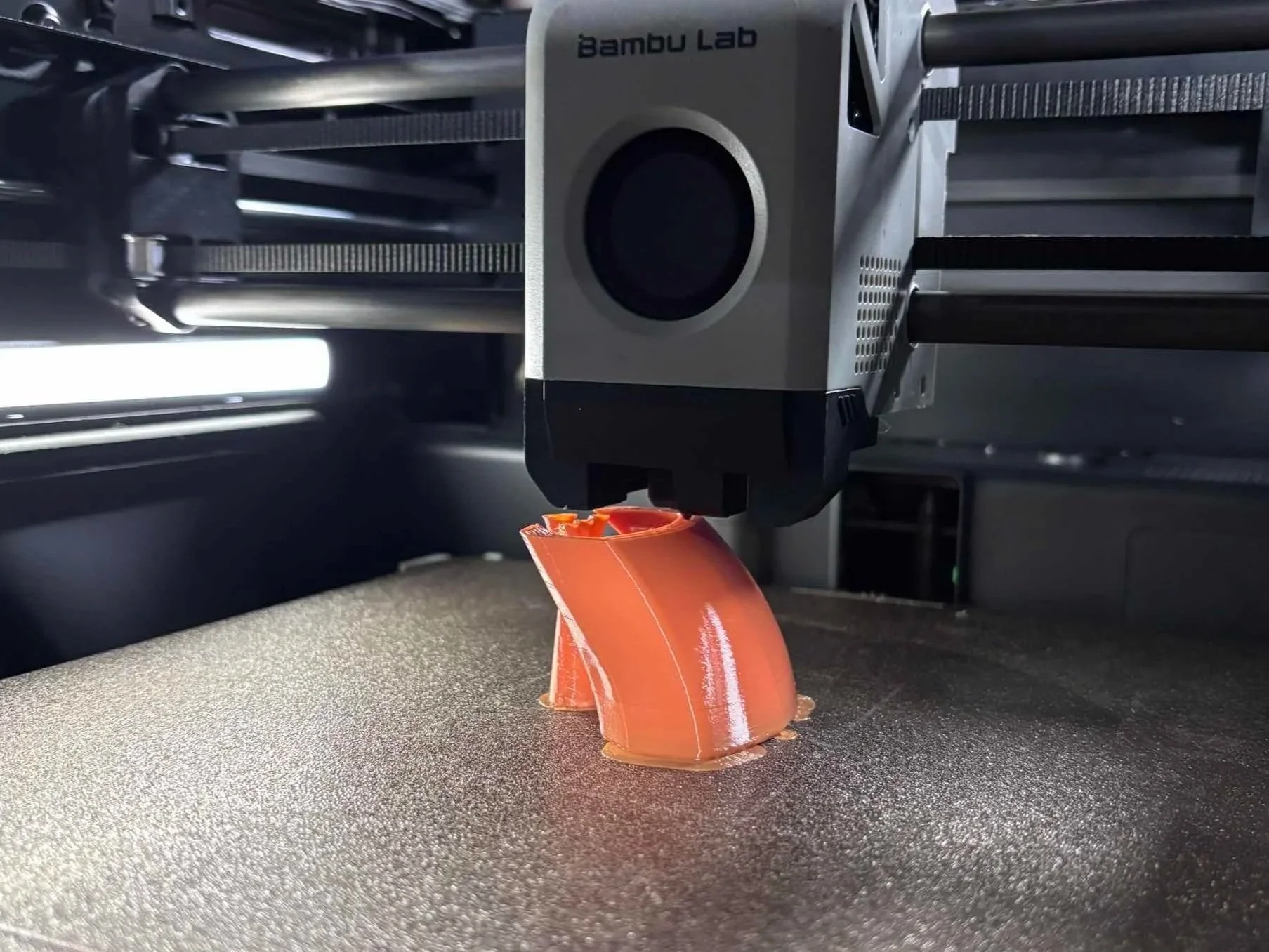
To meet the demands of freshwater, saltwater, and low-temperature environments (often dropping to mid-teens at 30 meters depth), we selected PEBA for its engineering-grade elasticity.
Why PEBA? Unlike standard flexible resins, PEBA offers a unique combination of high strength and exceptional tear resistance. It maintains its mechanical properties even in the cold, high-pressure conditions of a 30-meter dive.
Testing & Performance
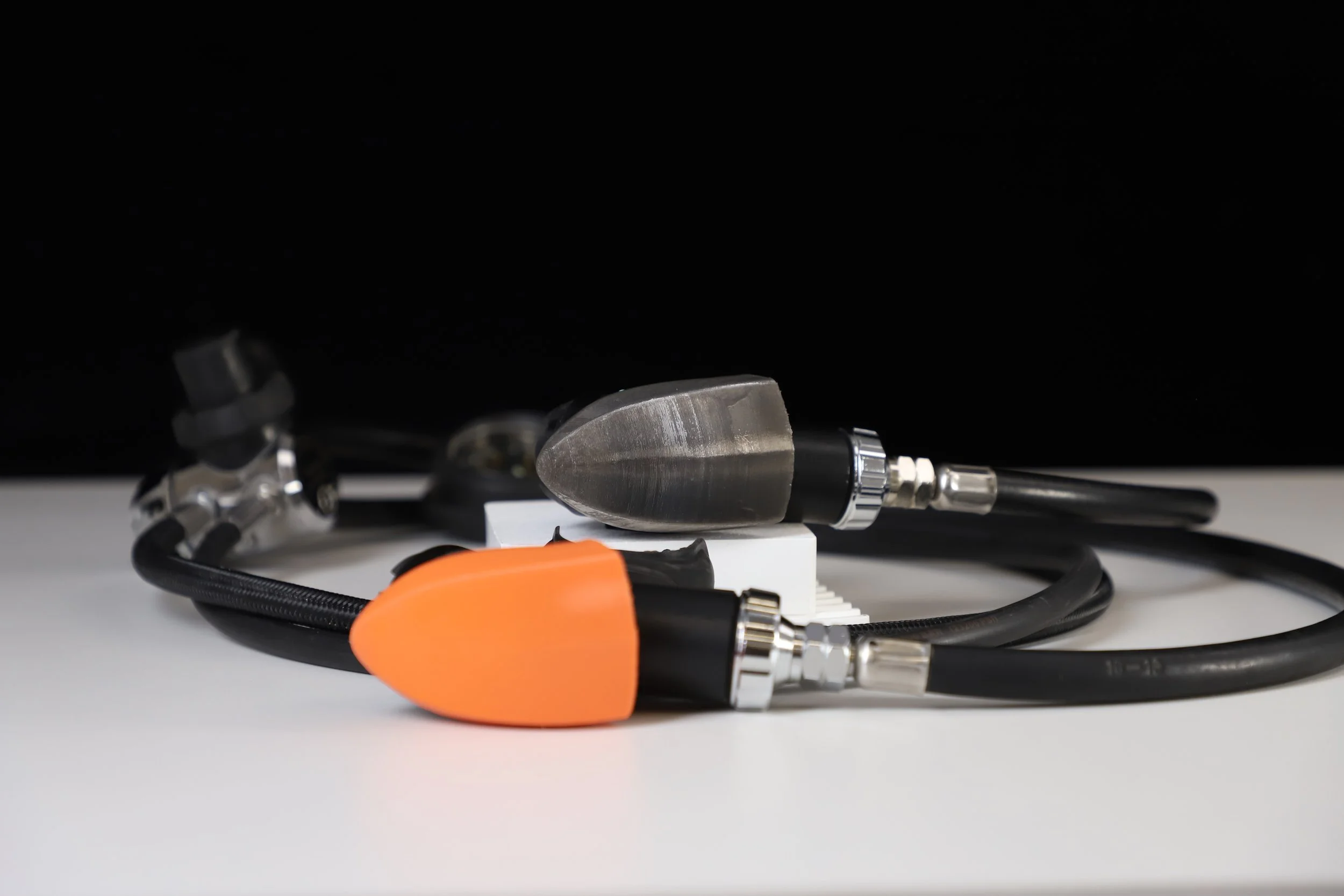
The customized PEBA housing underwent rigorous field testing. The results were definitive:
Structural Integrity: Successfully protected the diaphragm at depths of 30m.
Optimized Flow: The redesigned grooves effectively managed bubble discharge, tailored specifically to the instructor's breathing habits and facial structure.
Durability: Instructors reported zero signs of the tearing or UV aging that plagued previous resin attempts.
Material Advantages at a Glance
This collaboration demonstrates that 3D printing has moved beyond prototyping into functional, mission-critical restoration. By utilizing PEBA, we provided Zero Altitude Diving Center with a solution that is faster, more durable, and more personalized than original factory parts. As material science advances, the maintenance of professional diving equipment will become increasingly on-demand and sustainable.